
The Big Picture
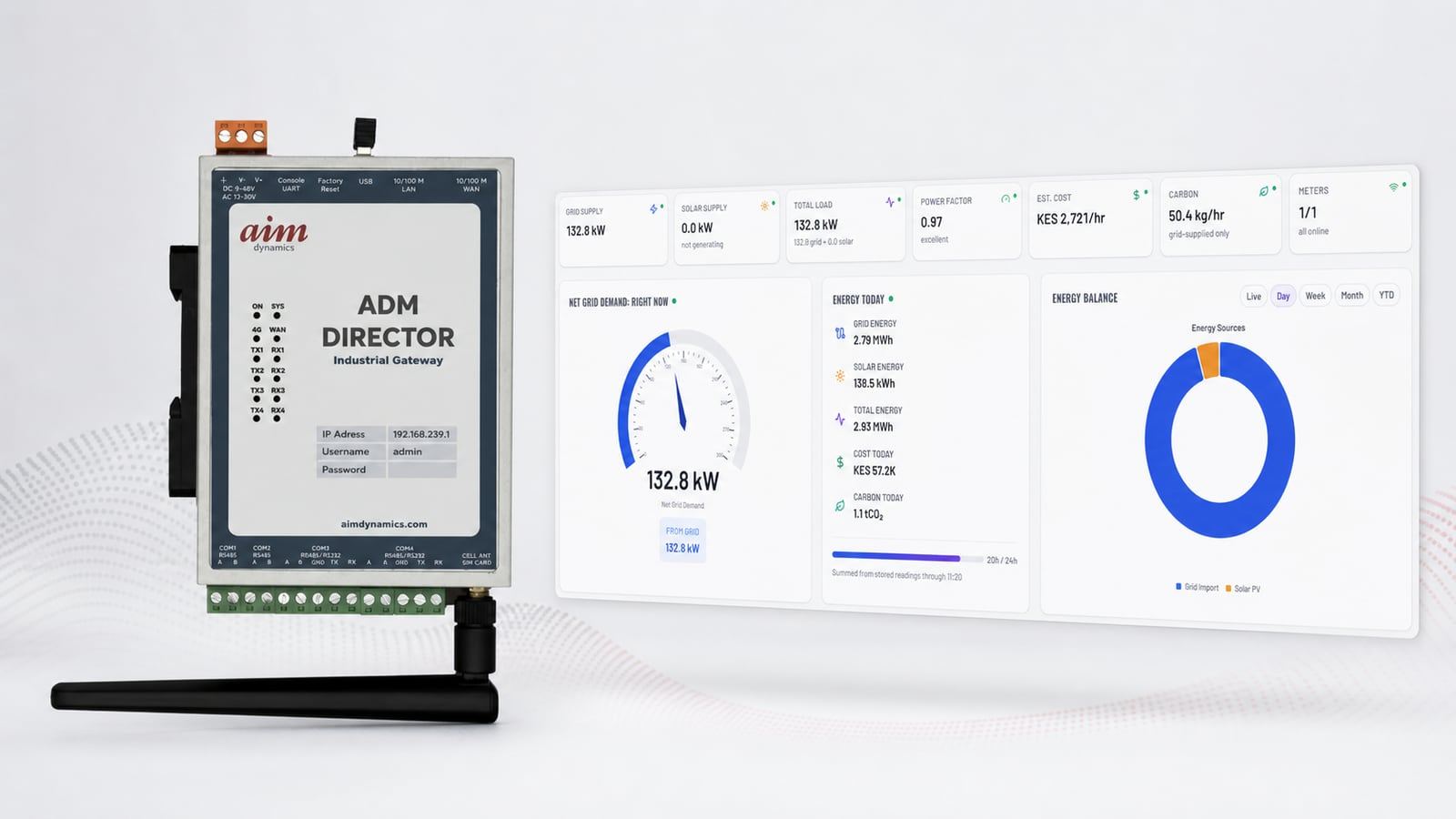
Globally, there is a quiet revolution going on. The twin forces of Artificial Intelligence (AI) and real-time energy monitoring are converging, creating an unprecedented opportunity to reshape how we consume and manage energy. The International Energy Agency has projected a doubling of data center electricity consumption by 2030, largely driven by AI. With that, the need for intelligent energy management has never been more critical. This synergy isn't just a trend; it's a fundamental shift towards a more sustainable and energy efficient future.
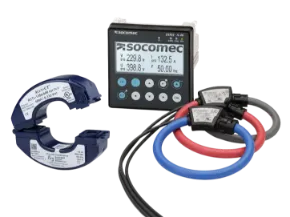
Coming closer home, energy is getting digitized. Buildings and factories are moving from periodic energy audits to live, granular visibility where they can get continuous energy audits. Smart meters and submeters stream power and runtime data every few seconds. On top of that, modern AI systems don’t just forecast; they follow a tight loop: collect data, understand context, decide the next move, act in connected tools, then learn from results. The winners are pairing that loop with real-time energy data to cut costs, emissions, and downtime.
The Problems We Face
For way too long, as energy consumers, we've been flying blind. Energy consumption has been a black box. Without real-time data, it's nearly impossible to pinpoint energy waste, predict equipment failures, or optimize for fluctuating energy costs. On the other hand, AI has been a powerful engine without the right fuel. A tool capable of incredible analysis but lacking the granular, real-time data needed to make a tangible impact on energy efficiency. With that even energy managers face an impossible task of analyzing thousands of data points across HVAC, lighting, and equipment in order to identifying inefficiencies before they become costly. Traditional approaches tackle monitoring and optimization separately—energy audits happen once in four years, commissioning occurs once after installation, and fault detection relies on manual inspections. By the time problems surface, money has been wasted and equipment has already damaged.
Current Methods: Too Little, Too Late
Today's facilities rely on periodic energy audits, one-time commissioning at building startup, spreadsheet-based measurement and verification, and reactive maintenance triggered by equipment failure. These snapshot approaches miss more than 80% of operational issues that occur between inspections. Without continuous data streams, even the best energy engineers are flying blind.
In most cases, energy management has been a reactive and labor-intensive process. Energy audits are conducted manually, offering only a snapshot in time. Commissioning, the process of ensuring a building's systems are operating as designed, is a one-time event at the beginning of a building's life. Measurement and Verification (M&V) of energy savings is often based on estimates and complex calculations. Fault Detection and Diagnostics (FDD) relies on experienced technicians who manually identify and troubleshoot problems, often after a catastrophic failure.
The Great Solution: A Powerful Partnership
But this is where the magic happens: By coupling the real-time data from energy meters with the analytical power of AI, we can move from reactive to proactive energy management. This powerful combination allows us to:
- Collect Data: Smart meters and sensors can now feed a constant stream of live information to an AI model with Algorithms
- Understand Context: The AI algorithms sift through this data, identifying patterns and separating the signal from the noise.
- Decide the Next Move: The AI can then compare various scenarios and predict the best course of action to optimize energy use or become more efficient
- Act on the Plan: These decisions can be executed automatically, adjusting HVAC systems, lighting, and other equipment in real-time through automation.
- Learn from Results: The AI continuously learns from its decisions, adapting and improving its performance over time. So that better decisions are made with more data collected and analyzed.
New Business Models Emerge
This technology shift creates opportunity: Energy-as-a-Service providers guarantee savings through AI optimization. Continuous commissioning companies charge monthly subscriptions instead of one-time fees, and predictive maintenance contracts replace reactive service calls. Data-driven consulting firms emerge, with firms selling insights from aggregated monitoring. Utilities adopt AI agents for real-time tracking, creating revenue from efficient services and even carbon credits. The hardware unlocks the data; the data powers the AI; the AI sustains the savings.
Conclusion
The message is clear: the future of energy management is more intelligent and data driven. By investing in energy meters and embracing the power of AI, you can unlock a world of benefits, from significant cost savings and reduced carbon emissions to improved equipment longevity and lower maintenance costs. The question isn't whether to integrate AI with energy monitoring, it's how quickly you can start. Every day without real-time intelligence money is left on the table and carbon unnecessarily emitted. The meters collect the data then AI makes the decisions. Your buildings become smarter, your costs drop, and your sustainability goals become achievable. The future of energy management isn't coming—it's already here with us.